
Saving energy is vital right now due to the current energy crisis. In both domestic and business applications, we need to do whatever we can to keep bills as low as possible.
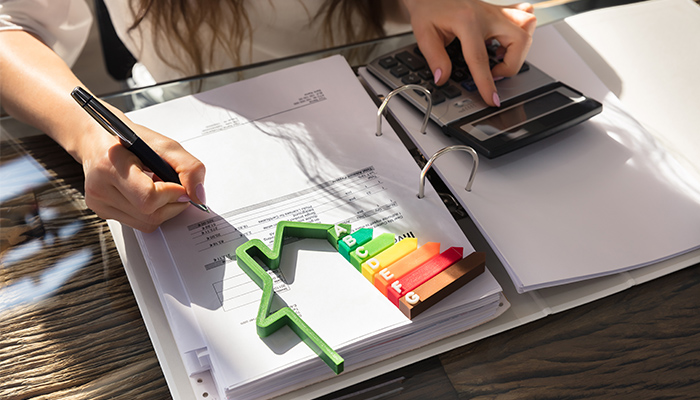
© Andrey Popov/Shutterstock.com
Retail businesses need to spend money on lighting to make sure their shop front looks attractive and welcoming to potential customers, but there are ways of enhancing your premises without it costing the earth.
Why are energy prices so high?
Energy prices rose all over the world after the pandemic lockdowns were lifted. As the global economy attempted to get back to normal, industry, other workplaces and leisure facilities were soon in need of more energy as a result. This put unprecedented pressure on energy supplies.
The Russian invasion of Ukraine in February 2022 led to cuts in gas supplies to Europe, causing European natural gas prices to rocket – Russia had supplied 40% of the EU’s total gas supply. As Europe struggled to find alternative energy sources, prices started to increase.
At the beginning of 2021, UK gas cost 38 pence per therm. By August 2022, the price had soared to 537 pence per therm. In addition, the Ofgem price cap suffered an unprecedented rise of 54% in April 2022, pushing bills even higher.
Ofgem had planned to increase the price cap by an additional 80% on 1st October. However, new Prime Minister Liz Truss has put a price freeze on bills to alleviate the pressure on the public. Bills will still rise to an average of £2,500 per year, rather than the expected £3,500 had the price cap rise gone ahead.
Due to the sharp rise in prices, dozens of energy firms ceased trading in 2021 and 2022, leaving 1.4 million customers needing to switch because they no longer had a supplier.
How can retail businesses become more energy efficient?
The retail sector’s energy use will vary, depending on the type and size of the store and other factors. Usually, the biggest causes of energy consumption are lighting and heating. In food stores, refrigeration also takes up a large percentage of energy costs.
Good management of each retail business, taking into account its unique needs, can bring real results. Some factors are often not considered, such as the costs of ventilation and air conditioning, due to the excess heat gain from bright lighting, electrical equipment such as tills and the number of staff and customers.
Every retail business should be looking to become more energy efficient. There are simple changes you can make that won’t cost you anything, and there are also longer-term investments that can produce bigger savings. To help you become more energy efficient, we’ve included a list of steps you can take.
1. Lighting
Every business in the retail sector understands that great lighting can make your store stand out. It attracts customers, keeps them shopping for longer and contributes to their decision to make a purchase.
Research reveals that 43% of the total electricity used in the retail sector is spent on lighting. Mood lighting is a relatively small energy contributor. The most significant sources of light energy come from your signage, access and storage areas, the lighting used for cleaning and the car park.
It’s a good idea to add light sensors in certain areas so the artificial lights turn off automatically when there’s sufficient daylight. They are useful for storerooms, staff rest areas and the exterior of your premises.
Switch to low-energy lighting so you can save money without compromising on brightness and colour. Using compact fluorescent lamps can look great and save you money, as they can last up to eight times longer than tungsten bulbs.
2. Heating, air conditioning and ventilation
Customers are happy in comfortable temperatures and tend to linger longer. Stores do their best to maintain a temperature that’s not too hot or cold, but this can account for 47% of energy use in non-domestic premises. Reduce costs by around one-third by having the heating lower in winter.
While you may feel the interior of your shop is cosy, customers tend to wear thick coats and jumpers in winter, so they may find it stifling if overheated. Turning your heating down by just 1°C can reduce energy consumption by 8%. According to the Carbon Trust, turning it down by 2°C can save £140 on a £1,000 bill.
Your staff may appreciate a slightly cooler working environment too, as an overheated store can make them feel tired and uncomfortable. Review your heating’s timer settings frequently to keep them in line with your opening hours and seasonal weather variations.
Experts say adding a timer costing £100 to your existing heating system can save up to £4,300 a year if managed properly. This is also more eco-friendly, as it will emit an average of 17.6 tonnes of CO2 less each year.
3. Building techniques
Did you know you can save money with an aluminium shop front? It can be a cheaper material than some of the alternatives and it can also help save money on your heating bills.
Aluminium has good thermal insulation properties, keeping the heat in and the cold out in winter. When combined with high-quality glazing, you could see a significant reduction in your heating bills. The energy efficiency of a new shop front and windows can be improved by the whole design and not just the glazing part.
4. Refrigeration
If you run a food retail business, the cost of refrigeration could make up around 50% of your total energy bill. Some simple changes can save you up to 20% on your refrigeration costs.
A simple tip is to turn the lighting off in your chiller cabinets outside opening hours. The light will generate heat and the refrigeration process will have to work much harder to maintain a cool temperature.
Always keep the chiller doors closed. Put stickers on reminding staff and customers to close the doors. If they are left open, it is wasting energy.
Keeping your fridges and freezers well maintained will make them more energy efficient. Create a maintenance schedule; check the door seals and cleaning condensers, defrost when necessary and check the level of refrigerant regularly.
The main energy-saving opportunities for retail businesses are not expensive to implement and they demonstrate how simple actions can save energy, cut costs and increase profit margins.