
Businesses that operate out of listed buildings may wonder how they can have an accessible and modern shopfront, while still conserving the character of the building.
There are around 500,000 listed buildings, monuments, parks, gardens and heritage sites in Britain. The planning laws are extremely stringent when it comes to developments in these areas.
While a business can enjoy the benefits of operating from one of Britain’s historic buildings, they must take every care to preserve the character of the structure when designing any refurbishments.
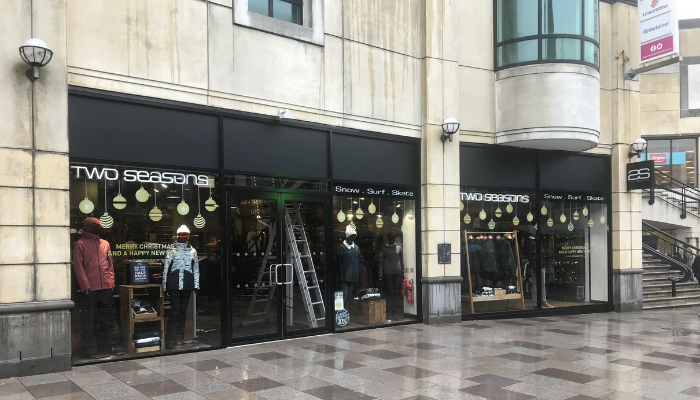
What is a listed building?
The Historic Buildings and Monuments Commission lists buildings in England and Wales under three grades, which recognise their value in terms of their architecture and heritage.
The top category, Grade I, recognises buildings of “exceptional” interest. There are only around 9,000 Grade I listed buildings in Britain. Grade II* buildings are those that are considered particularly important, with “more than special interest”. Grade II listed buildings are classed as being “of special interest”.
In Scotland, there are more than 47,000 listed buildings, which are classified and monitored by Historic Scotland.
There are various reasons why a building becomes listed, but generally speaking, the older the building, the more likely it will become listed – the building’s age plays a significant role in whether it is listed and the category.
Alterations to any shopfront on a listed building normally require listed building consent in addition to regular planning permission.
Why are modern accessible shop fronts important?
For businesses who operate out of listed buildings, a contemporary shopfront design is important. Promoting your company’s brand is crucial, but not at the expense of the building’s historic legacy.
According to research by Historic England, 85% of businesses operating out of listed buildings express satisfaction with their workplace and feel their company benefits from the association. Data shows there has been an increase in the number of branded retailers occupying listed buildings in recent years, particularly in the food and drink sector.
A new shopfront for a listed building can protect and strengthen the property, ensuring the original features will survive the test of time, while enhancing the external aesthetics. Bringing a historic property up to modern standards of accessibility is particularly important.
The Disability Discrimination Act 1995 and the Equality Act 2010 place a duty on businesses providing goods, services and facilities to the public to ensure people with disabilities are not excluded.
Businesses must make “reasonable adjustments” to their premises for disabled people to ensure they can use a service. The law protects both disabled customers and employees. Any business that fails to comply with the legislation can be fined.
Why choose an aluminium shop front?
Many listed building shopfronts are created from aluminium because it is a durable material, which effectively protects the building’s exterior from the elements. This includes general weathering and other environmental threats, such as storms and high winds. It can also protect the shop front from vandalism.
Aluminium can also capture the spirit and style of the original property in an aesthetically pleasing manner. A bespoke aluminium shop front will remain true to the style of the original property, without compromising modern appeal and functionality. It is the perfect way to display any business’s brand, creating an enduring design that enhances the beauty of the original architecture, while complying with the special planning regulations governing listed buildings.