
Shopping has changed dramatically since the 20th century. Sadly, some shops that were popular in the 1990s are no longer with us. However, others have soared to new heights of success.
Retail giants, such as John Lewis and Marks & Spencer, have survived world wars, recessions and economic challenges over the decades by adapting with the times.
David Fowler / Shutterstock.com
Marks & Spencer
Marks & Spencer, also known as M&S, has been on the high street since the late 19th century. Co-founder Michael Marks was born in 1859 in Slonim, Belarus. He was of Jewish heritage and had to flee Eastern Europe due to persecution from the Russians.
In around 1882, he moved to Leeds, finding a job with John Barran and Sons, a clothing manufacturer who employed Jewish refugees.
Marks was then employed by Isaac Dewhirst, a business owner with a wholesale company, in 1884. He had a new job as a salesman, travelling around local markets and nearby Yorkshire villages to sell Dewhirst’s wares.
He learned English quickly and developed a talent for selling. Working hard, he raised enough money to rent a penny bazaar stall himself at Kirkgate Market in Leeds, where he sold a wide range of items, from nails and screws to wooden kitchen utensils. Everything cost one penny. This was the foundation of the empire that became Marks & Spencer.
Marks’ Leeds stall was so successful that he opened others in more local market halls in Wakefield and Leeds. He even expanded the business to the Pennines.
In 1894, Marks realised he needed a business partner, so approached Thomas Spencer, a Skipton-born accountant. The two formed Marks & Spencer, with Marks investing £300 in the new company. Marks ran the stalls and Spencer controlled the finances, managing the supply chain.
By 1897, they already had 36 penny bazaars across Britain spanning from Sheffield, Bradford and Hull to Birmingham, Cardiff and London. They became a limited company in 1903 and built a new Manchester HQ. Their first high street store opened in the new Cross Arcade at Briggate, Leeds, in 1909. Its success continued following the death of both partners.
The chain survived two world wars and the changing markets of the late 20th century. Currently, M&S has 959 stores across the UK. They have also opened international shops in places such as Athens, Dubai and Holland.
John Lewis
John Lewis & Partners is still going strong, after opening as a draper’s and haberdashery stop in 1864 on Oxford Street, London, which remains on its flagship site today, although unrecognisable from the first humble store that opened there more than 150 years ago.
John Lewis, an experienced silk buyer, saved enough money to open his own business, which soon expanded its range to include clothing and household goods. Throughout the 1920s, the chain’s policy was that it would match any lower price offered by a national high street competitor.
After Lewis died in 1928, aged 92, the company was left to his oldest son, John Spedan Lewis, who introduced radical changes to the business model that were way ahead of their time, such as a shorter working day for employees and three weeks paid annual holiday.
In 1929, he launched the John Lewis Partnership, with the company profits being distributed to all employees in the form of stock or a bonus. This has been hailed as the secret to the business’s continued success.
Throughout the 20th century, John Lewis continued to grow, especially in the 1950s, when it branched out into selling new technology, such as the TV set. The retail giant has continued to move with the times, launching online shopping in 2001.
In 2014, to celebrate its 150th birthday, the company distributed more than £200 million profits to the 91,000-plus employee partners, equalling more than two months’ extra pay per person.
With a net worth of around £2 billion, John Lewis & Partners has stores throughout the UK and concessions in Ireland.
Woolworth’s
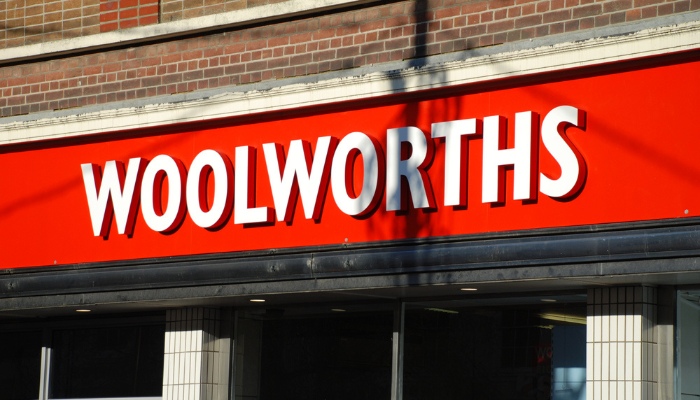
Woolworth’s was arguably the most well-known UK high street chain of all time. Founded in the UK in Liverpool in November 1909, FW Woolworth Company was the brainchild of American entrepreneur Frank Woolworth, of Pennsylvania.
It had been a “five and dime” store in the US when the founder decided to expand to Britain. The Liverpool store was an instant success, with its range of products, prices and bright decor widely praised.
The cheaper “threepenny and sixpenny” items attracted large crowds and the shelves were stripped bare by the end of the first day. The sale of mass purchased, and mass produced local and foreign goods saw Woolworth’s expanding swiftly across the UK.
It was particularly known for its Christmas advertising campaigns, when many celebrities of the 1970s and ‘80s were drafted in to perform in dazzling TV adverts that were famous in their own right.
However, in the 1990s, the high street brand began to falter. The company expanded into different retail formats, such as launching its Big W brand, like Walmart in the States. However, it failed to catch on and a period of losses continued, leading to the demise of the Big W brand in 2004.
Woolworth’s came under severe financial pressure as the market for physical copies of records (one of its biggest earners) declined due to new technology and streaming. The fast-growing chain Wilkinson challenged it on the high street.
When did Woolworths close?
Despite new initiatives, such as a website and instore collection service, the familiar red and white Woolworth shop fronts on the high street gradually vanished.
At its height, the company had more than 850 stores, both on the high street and in shopping centres, employing 27,000 staff. By November 2008, the four main board members had left the company and “crippling debts” of around £400 million were revealed. Trading in company shares was suspended and the famous retailer soon went into administration.
By January 2009, more than 800 branches had closed, and employees were made redundant. Several reasons were cited, including the rise of cut-price competition such as the pound shop, faltering management and a lack of progression in the company’s operating practices.
After Woolworths Group plc entered administration in 2009, it was officially dissolved on 13th October 2015.
Wilko
Recently, the national press has been full of the sad news of Wilko closing down.
The one-time high street giant was founded as Wilkinson Cash Stores in 1930 and thrived for around 90 years – at one time rivalling the massive chain Woolworth’s for high street trade.
After the founders James Kemsey Wilkinson and his fiancée Mary Cooper opened their first store in Leicester, the company expanded throughout the 20th century, selling everything from pick ‘n’ mix and stationery to garden tools, branding itself as a budget UK homeware chain, with 400 high street stores UK wide.
Wilkinson began rebranding its stores as Wilko in 2012, marketing its own products under the name. By 2014, most of the stores were rebranded.
Wilko aimed to fill the gap after the closure of Woolworth’s, but bargain stores such as B&M and Poundland started attracting more customers, while The Range presented serious competition in the gardening sector.
Some retail analysts pointed out rival stores were selling similar goods more cheaply, making Wilko seem less attractive to consumers. Other factors in its demise have included a lack of investment in high street stores.
Analysts claim “poor or outdated locations” haven’t kept up with the times, while rivals such as Home Bargains and B&M have invested heavily in their stores, providing the enjoyable shopping experience that customers want.
It has been announced that B&M and Poundland are to take on the leases of some of the Wilko high street shops, following news in August 2023 that the chain has gone into administration, putting at risk 12,500 jobs.
What can smaller businesses do to enjoy longevity?
Smaller high street businesses wishing to echo the success of retail giants like M&S and John Lewis should take inspiration from their longevity.
Establishing a trusted brand, moving with the times and having an easily recognisable branded shopfront that attracts shoppers are three of the main factors to consider – retail analysts have cited Wilko as an example of a brand that has let its high street premises become outdated, blaming this as a contributory factor in its demise.
Shop front design should be an important part of your marketing strategy. A study by Service Channel of consumer habits in July 2021 revealed a massive 64% of shoppers could be deterred from entering retail premises if the exterior looks cluttered, dirty or outdated. This can mean a significant loss of business for any store – no matter how good the actual products are.
An aluminium shop front is lightweight, extremely durable and weather resistant. It provides a cost-effective option. Easy to install, it typically requires very little maintenance. Manufactured from strong metal and toughened glass, aluminium shopfronts provide a high level of security, while inviting natural light into the premises.
Today, especially in the current challenging economic crisis, high street businesses must employ every tool in their armoury to weather the storm and come out stronger on the other side.